Ideal Insulation · Southwest Florida
Spray Foam Insulation Cape Coral FL | Local SWFL Experts | Ideal Insulation

Cape Coral Has 400 Miles of Canals — and They're Destroying Your Insulation
Cape Coral sits on more canals than any other city in the world. Over 400 miles of them. Great for kayaking, terrible for the fiberglass batts stuffed in your attic.
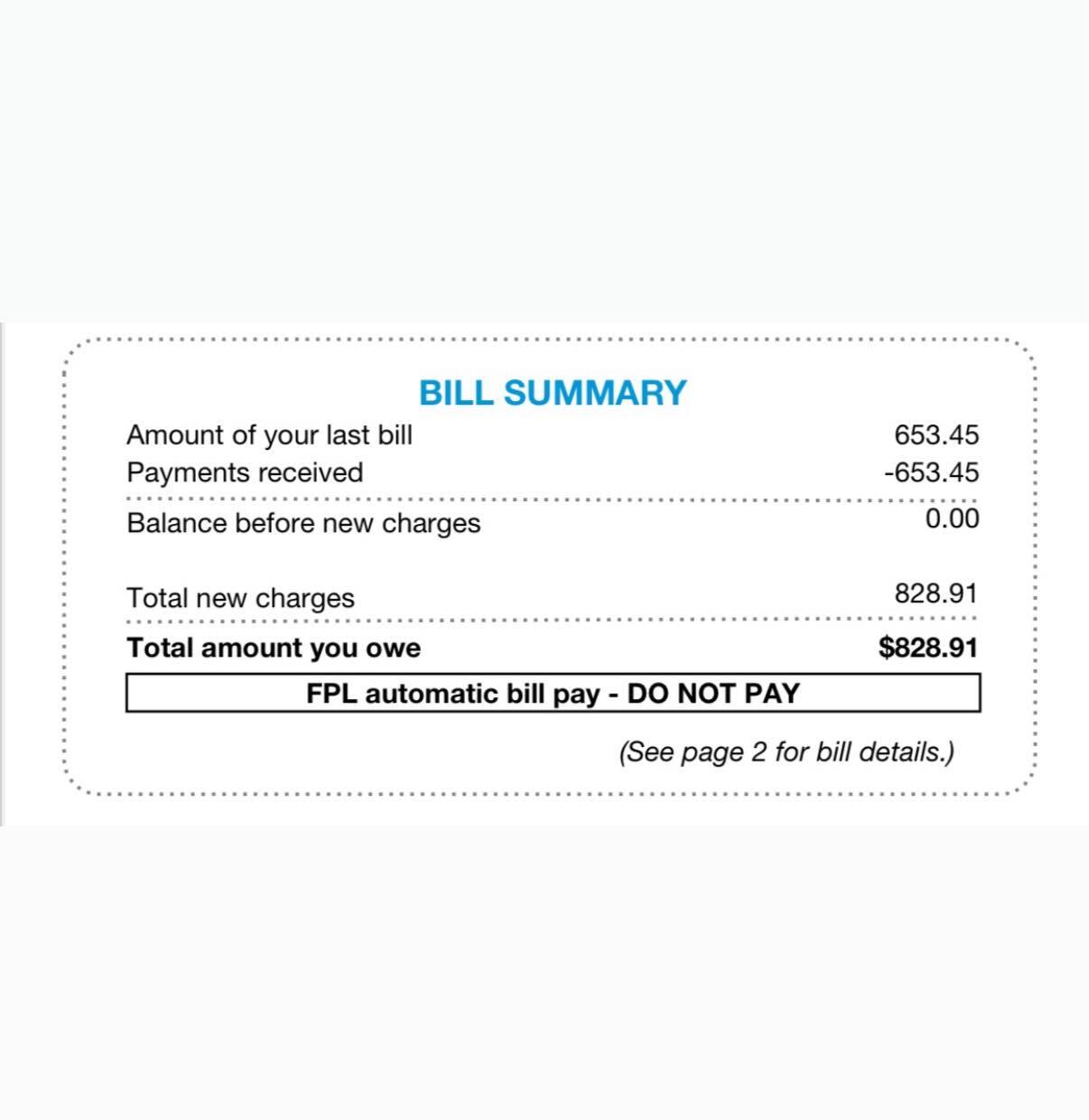
All that water creates a constant humidity problem that most insulation just can't handle. We've pulled fiberglass out of Cape Coral canal homes that was installed less than a decade ago — already sagging, already moldy, already useless. The homeowners had no idea until they saw their electric bill creeping past $400 in July.
Ideal Insulation has been spraying homes across Cape Coral since 2013. We run 9 trucks through Lee and Collier Counties, with experienced installers who know exactly what Cape Coral's climate does to a building envelope. We're a local SWFL insulation contractor serving Cape Coral. Contact our team to confirm scheduling for your project.
Here's what Cape Coral homeowners need to know about spray foam insulation, and why it's the only insulation that holds up long-term in this environment.
Why Cape Coral's Climate Is Harder on Insulation Than Anywhere Else in SWFL
We work across all of Southwest Florida — Naples, Fort Myers, Bonita Springs, Estero, Marco Island. But Cape Coral is different. The sheer volume of waterways makes it uniquely hostile to traditional insulation.
Canal-Side Humidity Doesn't Stop at Your Front Door
Living on or near a canal means ambient moisture levels around your home are elevated around the clock. That moisture doesn't politely stay outside. It migrates through soffits, wall penetrations, and attic vents into your building envelope.
Fiberglass batts are basically a sponge for this stuff. They absorb moisture, lose their R-value, and become a breeding ground for mold. We've seen it hundreds of times in the SW Cape near the Caloosahatchee and in the SE Cape around Cape Harbour. Closed cell spray foam doesn't absorb water, period. It's a moisture barrier and an air barrier in one application — exactly what canal homes need.
Hurricane Ian Changed Everything
Cape Coral took a direct hit from Hurricane Ian in September 2022. Category 4. Homes ripped apart. Roofs gone. Three years later, people are still rebuilding.
If you're doing any kind of roof work or renovation post-Ian, spray foam on the roof deck isn't just an energy upgrade — it's structural reinforcement. Closed cell foam bonds directly to your roof sheathing and significantly increases wind uplift resistance. After what Ian did to this city, that matters more than any energy savings number we could throw at you.
New Construction Doesn't Mean Good Insulation
Cape Coral is one of the fastest-growing cities in Florida. Tons of new homes going up, especially in the NE and NW Cape along the Burnt Store corridor and out toward Pine Island Road. But "new build" and "well-insulated" aren't the same thing.
Most production builders install code-minimum fiberglass batts — R-30 in the attic, R-13 in the walls — and move on to the next house. That's legal. It also means your brand-new home is going to run $300+ electric bills all summer because code minimum is exactly that. The minimum.
We partner with builders across Lee County who've figured this out. Spray foam costs more during construction, but homebuyers notice the difference on their very first electric bill. And builders who offer spray foam as a standard or upgrade option close more sales. It's a competitive advantage both ways.
Open Cell vs Closed Cell: Which One for Your Cape Coral Home?
We install both types of spray foam insulation, and honestly, most Cape Coral homes benefit from a combination — closed cell where moisture is the primary concern, open cell where budget matters more and the area isn't directly exposed to water intrusion.
Closed Cell Spray Foam
R-6.5 to R-7.0 per inch. This is the heavy hitter. Closed cell acts as an air barrier, vapor barrier, and structural reinforcement all at once. For Cape Coral, we recommend it for:
- Attic roof decks — converts your attic from a 150°F oven to conditioned space. Florida Building Code Section R806.5 allows R-20 for unvented spray foam attic assemblies, which means roughly 3 inches of closed cell gets the job done.
- Exterior walls — blocks canal-side humidity from entering wall cavities. This is where we see the biggest difference in Cape Coral versus inland homes.
- Crawl spaces and raised foundations — Cape Coral's high water table makes moisture a constant issue below the house. Closed cell is the only insulation that resists it.
Open Cell Spray Foam
R-3.7 per inch. Lighter, more flexible, and more affordable than closed cell. It's still a complete air seal — it just doesn't double as a moisture barrier. Open cell works well for:
- Interior walls — great for sound dampening between rooms. If you live in a duplex or share walls in the SE Cape condos near Tarpon Point, this alone is worth the upgrade.
- Budget attic installs — when you want better performance than fiberglass but don't need the full moisture barrier of closed cell.
- Interior partition walls — bedrooms, home offices, media rooms. Anywhere noise reduction matters.
We don't push one type over the other. During your free estimate, we'll walk through your home and tell you which foam makes sense for each area. Sometimes that means closed cell in the attic and open cell everywhere else. It depends on your house, your goals, and your budget.
Where We Install Spray Foam in Cape Coral
Cape Coral is a big city — 120 square miles. We cover all of it.
By Application
- Attics — both vented (blown over existing) and unvented conversions (spray foam on the roof deck). Unvented is what we recommend for most Cape Coral homes.
- Walls — new construction spray-in-place, or drill-and-fill for existing homes. CBS block construction (which is most of Cape Coral) insulates differently than wood-frame, and we handle both.
- Crawl spaces and garages — often overlooked, but a garage in Cape Coral can hit 120°F in summer. That heat radiates into your living space.
- Commercial — warehouses, restaurants, retail. Cape Coral's commercial corridor along Pine Island Road and Del Prado has a lot of under-insulated buildings.
By Neighborhood
- SW Cape Coral — Pelican area, Yacht Club, Caloosahatchee corridor. Our most common service area in the Cape.
- SE Cape Coral — Cape Harbour, Tarpon Point, Surfside Boulevard. Lots of canal homes here.
- NW Cape Coral — Burnt Store corridor, Tropical Gulf Acres. Newer construction mixed with older homes.
- NE Cape Coral — Del Prado corridor, newest development areas. Mostly new builds.
- Pine Island — Matlacha, St. James City, Bokeelia. Post-Ian rebuilds are still ongoing here.
What Does Spray Foam Insulation Cost in Cape Coral?
We get this question on every single call, and we get it — nobody wants to schedule an estimate without at least a ballpark. But here's why we don't publish pricing online: every project is different.
A 1,200 square foot attic in a 2005 CBS block home costs a different amount than a 2,800 square foot roof deck on a post-Ian rebuild. The foam type matters. The thickness matters. Whether we need to remove existing insulation first matters. Roof applications carry a different cost than walls.
What we can tell you: spray foam insulation pays for itself through energy savings. Most Cape Coral homeowners see their electric bill drop significantly — enough that the insulation effectively pays its own monthly cost if you finance it. And there are ways to offset the upfront investment:
- Federal 25C tax credit update — The federal Section 25C credit does not apply to insulation placed in service after December 31, 2025. A new 2026 installation does not qualify.
- Financing options — we can discuss payment plans during your estimate.
The honest answer on cost: call us at 239.455.2002 and we'll give you a real number for your specific home. Free estimate, free infrared thermal scan included, zero obligation.
Florida Building Code Requirements for Cape Coral Insulation
Cape Coral falls in IECC Climate Zone 1 — same as all of SWFL. Under the Florida Building Code 8th Edition (2023), minimum insulation requirements are:
- Vented attics: R-30 minimum
- Unvented attic assemblies (spray foam): R-20 accepted per FBC Section R806.5. This requires a blower door test under 3 ACH50 and mechanical ventilation.
- Walls: R-13 minimum
Here's the thing most people miss: these are minimums. Meeting code doesn't mean your home is comfortable or efficient. It means your home is legal. In Cape Coral's heat — where your AC runs 9 or 10 months a year — exceeding code minimum is where the real savings live.
We handle all code compliance documentation for permits and inspections. If you're doing a post-Ian rebuild or any permitted renovation, we'll make sure the insulation passes inspection the first time.
Spray Foam Insulation Cape Coral FL — Your Questions Answered
How much does spray foam insulation cost in Cape Coral FL?
Spray foam insulation costs vary based on your home's size, the areas being insulated, foam type (open cell vs closed cell), and thickness required. Rather than publishing a one-size-fits-all number that won't be accurate for your project, we provide free on-site estimates with an infrared thermal scan so you get a real quote for your specific home. Call 239.455.2002 to schedule yours.
Is spray foam insulation worth it in Cape Coral?
For most Cape Coral homes, yes — and more so than in other parts of Florida. Cape Coral's 400+ miles of canals create uniquely high humidity levels that degrade fiberglass insulation faster than in inland areas. Spray foam creates a complete air and moisture seal that lasts the life of your home, reduces electric bills significantly, and adds hurricane wind resistance with closed cell applications. Budget the project without a federal Section 25C credit: that credit ended for insulation placed in service after December 31, 2025.
What insulation is best for Cape Coral's humidity?
Closed cell spray foam is the best insulation for Cape Coral's humid environment. It doesn't absorb moisture, acts as a vapor barrier, and completely seals the building envelope against humid air infiltration. For canal-side homes especially, closed cell on exterior walls and the roof deck is the gold standard. Open cell spray foam is a solid option for interior applications where moisture exposure is lower.
Does spray foam help with hurricane protection?
Closed cell spray foam bonds directly to roof sheathing and wall framing, which increases your home's wind uplift resistance. After Hurricane Ian devastated Cape Coral in 2022, many homeowners rebuilding have chosen closed cell spray foam specifically for this structural reinforcement benefit — on top of the energy savings and moisture protection.
Do you need a permit for insulation in Cape Coral?
In most cases, standalone insulation upgrades in Cape Coral don't require a separate permit. However, if the insulation work is part of a larger renovation, addition, or post-hurricane rebuild, it will be included in that project's permit and inspection. Unvented attic spray foam assemblies require a blower door test per Florida Building Code Section R806.5. We handle all code compliance documentation for any permitted project.
Get Your Free Cape Coral Spray Foam Estimate
We've been doing this in SWFL for over a decade. Our experienced installation team operates 9 trucks and serves homeowners and builders across Southwest Florida.
Your free estimate includes an infrared thermal scan — we'll show you exactly where your home is losing conditioned air and where humidity is getting in. No sales pitch. Just honest information and a real quote.
Call 239.455.2002 or schedule your free energy audit online. We serve Cape Coral, Fort Myers, Naples, Bonita Springs, and all of Southwest Florida.
More Insulation Resources
- → Open Cell vs Closed Cell Spray Foam — What's the Difference?
- → Florida Insulation Codes & R-Value Requirements
- → Spray Foam Insulation Services
- → Spray Foam Insulation Fort Myers FL
- → Spray Foam Insulation Naples FL
- → Spray Foam & Blown-In Insulation Bonita Springs FL
- → Blown-In Insulation Services
Need help in person? Our spray foam insulation in Cape Coral offers free estimates across Southwest Florida — call (239) 455-2002.