.png?width=250&height=177&name=Untitled%20(1).png)
Signs Your Naples Home Needs New Insulation (And What to Do About It)

Ideal Insulation
Most homeowners don't think about their insulation until something is obviously wrong. And by the time something's obviously wrong — visible mold, sky-high electric bills, an AC that never shuts off — the insulation has usually been underperforming for months or years. That's a lot of wasted money and a lot of unnecessary wear on your HVAC system.
The good news: the signs are usually there if you know what to look for. Here's a practical rundown of what to watch for in a Naples or SWFL home, and what to do if you're seeing any of them.
1. Your electric bill Keeps Climbing
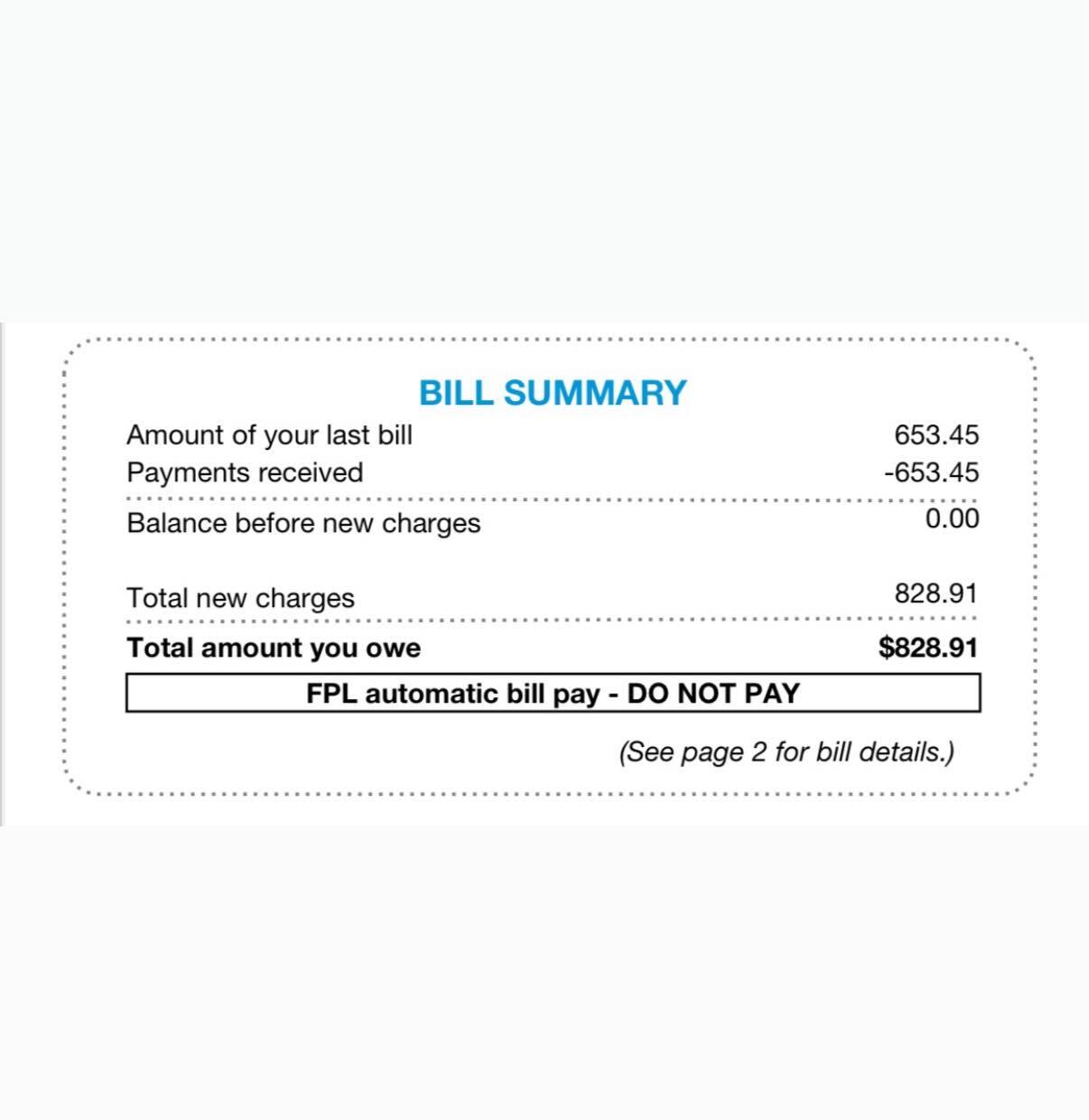
Electric bills in Southwest Florida are already higher than most of the country because we run AC year-round. But if your electric bill has been climbing year over year — and you haven't added square footage, new appliances, or changed your habits significantly — your building envelope deserves a look.
Insulation's job is to slow the transfer of heat through your walls, ceiling, and floors. When it's degraded, thin, or missing, your AC has to work harder and longer to maintain your target temperature. That work shows up on your bill.
This doesn't automatically mean your insulation is bad — there are other causes (duct leaks, aging HVAC, window condition) — but insulation is one of the most common culprits in older Naples homes.
2. Upstairs Is Always Hotter Than Downstairs
This one is almost always an attic insulation issue. Heat radiates down from a hot attic through your ceiling, and if there's not enough insulation blocking that transfer, the top floor of your home will always feel warmer than the rest — sometimes dramatically so.
In a properly insulated SWFL home, you shouldn't notice a meaningful temperature difference between floors when your AC is running normally. If you do, your attic insulation may be insufficient, degraded, or improperly installed.
3. Your AC Runs Constantly and the House Never Feels Comfortable
Your AC system is sized for a specific load. That load calculation assumes a certain level of insulation in the walls and ceiling. When insulation is missing or underperforming, the actual heat load is higher than what the system was sized for — and it can never quite keep up.
The result is a system that runs near-continuously, struggles to maintain setpoint, and ages faster because it never gets a break. If your AC was serviced recently, the refrigerant is fine, and it still can't keep up — look at the building envelope.
4. You Can See Water Stains, Settling, or Pest Damage in Your Attic
If you've been up in your attic recently (or had a pest inspector up there), and you noticed any of the following, your insulation needs attention:
Water stains on the insulation or attic sheathing. This means moisture got in at some point — whether from a roof leak, condensation, or wind-driven rain during a storm. Wet insulation loses R-value and can harbor mold. It doesn't always dry out on its own.
Visibly thin or flat insulation. Blown-in fiberglass compresses over time. Batts sag and shift. If what was originally installed at R-30 depth is now sitting noticeably flat, it may no longer be performing anywhere near its rated value.
Pest activity. Rodents love to nest in attic insulation. They burrow through it, soil it, and in some cases completely destroy sections of it. If you've had a rodent problem — or an inspection flagged evidence of one — the insulation needs to be evaluated. In many cases, full removal and replacement is the right move.
5. Your Home Is 15-20 Years Old (or More)
Homes built in the 1990s and early 2000s in Naples were built to a different code standard than what's in effect today. The Florida Building Code has gotten significantly more stringent over the past two decades, particularly around insulation R-values.
If your home is 15-20+ years old and has never had an insulation upgrade, there's a good chance it was built to a lower standard than current code. That's not a code violation (you don't have to retrofit to new code standards unless you're doing a major renovation), but it does mean you're likely leaving energy savings on the table.
6. After a Hurricane or Major Storm
Hurricane season doesn't just damage roofs and windows. Wind-driven rain can work its way under damaged flashing, through soffit vents, and into attic spaces. Even if your roof "looks fine" after a storm, water may have gotten in and soaked insulation that's now sitting wet inside your attic.
After any significant storm, if you had roof damage — or even if it seemed minor — it's worth having your attic evaluated. Wet insulation that stays wet becomes a mold risk. And your homeowner's insurance may cover replacement if the damage is storm-related.
7. Allergy Symptoms Getting Worse at Home
This one gets overlooked, but it's real. Mold in attic insulation can circulate through your HVAC system and into your living space. If you or your family members have been experiencing increased allergy or respiratory symptoms at home — and the symptoms improve when you're elsewhere — mold contamination in your attic or wall insulation is worth ruling out.
This isn't a diagnosis (talk to a doctor about the health side), but it's a legitimate reason to have your insulation inspected.
What to Do If You're Seeing These Signs
Step 1: Get a Professional Assessment
Don't guess. The symptoms above can have multiple causes, and the right solution depends on what's actually happening in your specific home. At Ideal Insulation, we offer a Free thermal leak scan (a $199 value) that shows you exactly where your home is losing energy — walls, ceiling, windows, and more.
Step 2: Understand Your Options
Depending on what we find, your options might include:
- Top-up / supplement: Your existing insulation is basically sound but undersized. Adding more blown-in on top gets you to the right R-value without a full removal.
- Removal and replacement: Your existing insulation is contaminated, damaged, or so degraded it needs to come out first. We do insulation removal as well as installation.
- System upgrade: You're not just underinsulated — you'd benefit from a different approach entirely, like converting to a conditioned attic assembly with spray foam. We'll walk you through whether the upgrade math makes sense for your home.
Step 3: Ask About energy savings
As an Trusted SWFL Insulation Contractor, we can help you understand what rebates may be available for your upgrade. Rebate programs change, so it's worth asking at the time of your estimate.
FAQ: Insulation Replacement in Naples FL
Q: How do I know if my attic insulation is bad without going up there myself?
A: A free thermal scan is the easiest way. We use thermal imaging to show you exactly where heat is transferring through your ceiling. High electric bills, hot upstairs rooms, and an AC that never cycles off are also reliable indicators.
Q: How long does attic insulation last in Florida?
A: There's no firm expiration date, but performance can degrade well before the material "fails." Moisture exposure, pest activity, and simple compression can reduce effectiveness over time. If your insulation is 15+ years old and you've never had it assessed, it's worth having someone look.
Q: Can I just add more insulation on top of old insulation?
A: Sometimes, yes — if the existing material is dry, clean, and pest-free. If it's been damaged by water or pests, it should come out first. We'll check before recommending a top-up.
Q: Does my homeowner's insurance cover insulation damage from a hurricane?
A: Potentially, if the damage is directly tied to a covered storm event (like a roof breach). You'd need to document the damage and file a claim. We can provide documentation of what we find during our inspection if it's helpful for your claim.
Q: Is the thermal scan really free?
A: Yes. No obligation. We'd rather show you what's going on in your home first and then have an informed conversation about solutions than just give you a quote based on guesswork.
If any of this sounds familiar, don't wait. Every month you go with bad insulation is money you're giving electric utility that could stay in your pocket. Schedule your Free thermal leak scan (a $199 value) today — call 239.455.2002 or visit idealinsulationinc.com. We serve Naples, Marco Island, Bonita Springs, Estero, Fort Myers, Cape Coral, and all of Collier, Lee, and Charlotte counties.
Need help in person? Our professional insulation removal team offers free estimates across Southwest Florida — call (239) 455-2002.